The short answer
A single-cavity P20 mold for a non-filled resin usually reaches first trial in 25 to 35 days. A four or eight-cavity production tool in hardened steel takes 45 to 60 days. Add slides, unscrewing or a hot runner and 60 to 90 days is a fairer bracket. Those numbers cover the mold, not the time you spend approving drawings or shipping samples.
T1 is a checkpoint, not a finish line. At T1 you are checking that the tool fills, that the basic dimensions land close to print and that the mechanism moves. The surface and the tight tolerances are usually settled over the next one or two trials. Our guide to what drives injection mold cost explains why those extra rounds are built into a realistic quote.
Where the weeks actually go
People imagine machining as the whole job. On a mid-size tool it is roughly half. The rest is design decisions, buying steel, fitting, polishing and the trial loop.
| Stage | Typical time | What can stretch it |
|---|---|---|
| DFM and mold layout | 2–5 days | Waiting for your answers on draft, gate position and parting line |
| Steel and standard parts | 3–7 days | Non-stock grade, long-lead hot runner, imported components |
| Design and programming | 5–10 days | Slides, complex cooling, late part revision |
| CNC, EDM and wire cut | 15–30 days | Deep cavities, fine electrodes, tight surface requirement |
| Fit, polish and assembly | 3–7 days | Mirror finish, texturing sent out to a subcontractor |
| First trial and report | 1–3 days | Machine scheduling, sample measurement, defect list |
| Courier and review | 2–5 days | International shipping, approval waiting |
Notice how many rows depend on a decision from the buyer. A two-day delay at DFM does not stay two days. It moves steel ordering, which moves machining, which can miss the next trial slot. The RFQ checklist is worth filling in properly for exactly this reason.
Lead time by tool type
| Tool | To first samples | Notes |
|---|---|---|
| Aluminum prototype, single cavity | 7–15 days | For fit and appearance checks, not long runs |
| P20 single cavity | 25–35 days | Common for appliance and consumer parts |
| H13 four to eight cavity | 45–60 days | Production volume, balanced runner work |
| Slide or unscrewing tool | 60–90 days | Extra fitting and a second trial round |
| Validated medical tool | 90 days and up | Documentation and process validation dominate |
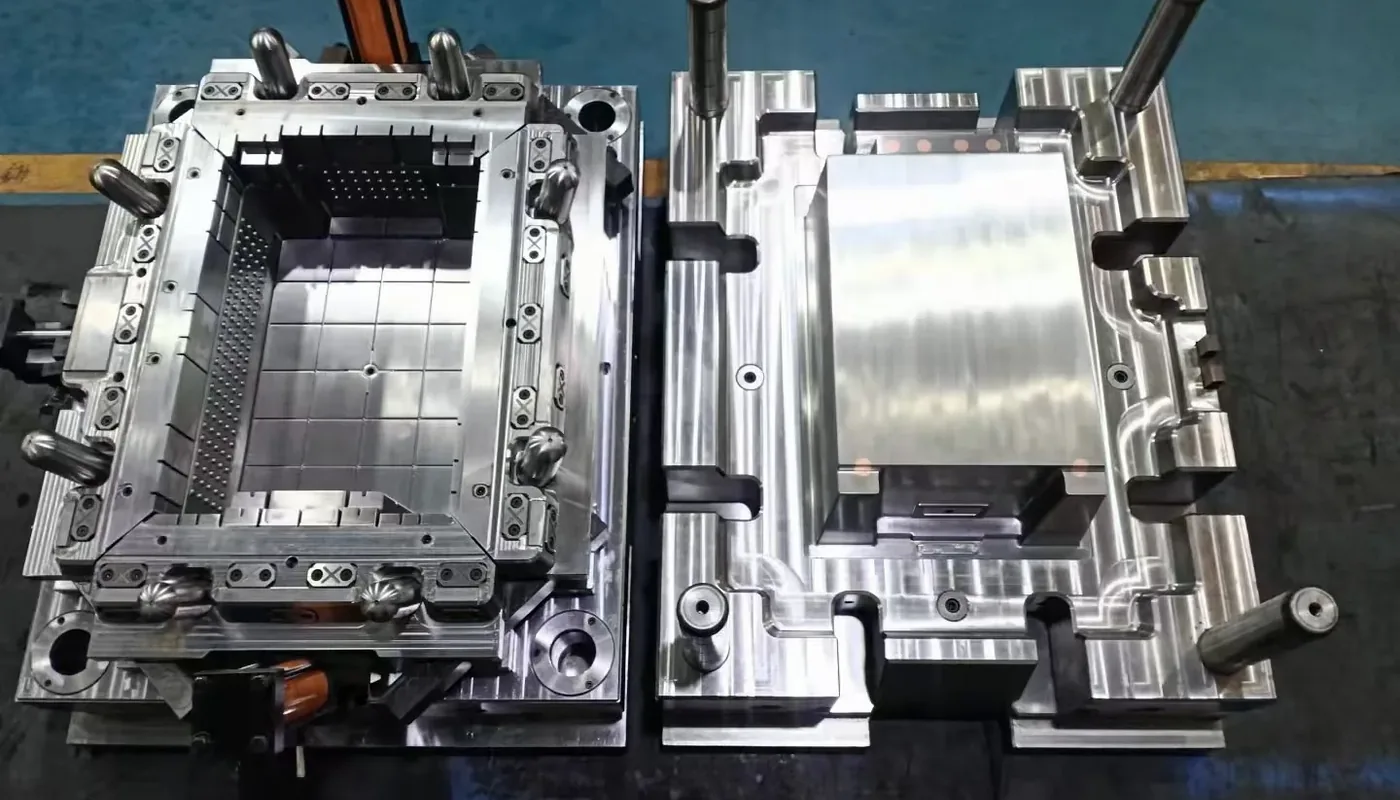
Our mold types and capabilities page shows the builds behind these brackets. If a quote comes in much faster than the table, ask which stage was shortened. Sometimes the answer is a stock mold base and in-house EDM, which is fine. Sometimes it is a skipped trial.
What T0, T1 and T2 mean here
Naming is not standard across the industry. Some shops call the first shot T1; others call it T0 and reserve T1 for the first corrected sample. We use T0 internally to check open and close, ejection and gross filling problems. Those parts are for our engineers, not for customer sign-off.
T1 is the first sample round we send with a dimensional report. The tool is functional, the basic dimensions are measured, and we have a written list of remaining defects with proposed fixes. T2 is where we lock the process window and confirm that the same result holds across consecutive shots. For a validated program there may be a T3 and a small production batch before release.
Ask the supplier to write those definitions into the quote. Two factories can both promise "T1 in 30 days" while meaning quite different things. Our DFM guide covers the design checks that keep the first trial useful.
What should arrive with the samples
A box of parts is not a trial report. Ask for the package, and ask early enough that the shop plans for it.
- At least twenty consecutive shots, marked by cavity. One good part tells you nothing about repeatability.
- A short-shot sequence. It shows how the melt front fills the cavity and where air is trapped.
- A dimensional report on the critical features, with the measurement method stated.
- The molding parameters used: melt and mold temperature, injection speed, holding pressure and cycle time.
- A defect list with the proposed correction, and an honest note on which items are still open.
If the trial involves a medical or food-contact part, add material certificates. For clear parts, ask for samples taken at the start, middle and end of the run so you can see where haze or burn marks begin.
Why trial dates slip
The usual causes are boring. A part revision arrives while the steel is already cut. A hot runner is specified late and takes three weeks to ship. Texture work goes to an outside shop with its own queue. Samples sit in customs. None of this is dramatic, and all of it is predictable.
One delay we see often is slow sample approval. The toolmaker fixes the defect list, waits four days for a reply, then books the next machine slot. A three-day decision rule on T1 feedback is worth more than haggling over the last two percent of the tooling price. If your team is in another time zone, agree on a video review slot before the trial so everyone sees the same parts.
Compress the schedule without buying trouble
There are safe ways to save time. Approve the DFM within 48 hours. Pick a steel grade that the shop already holds. Use a prototype to settle the assembly questions before steel is cut. Order long-lead components the moment the layout is frozen. Ship samples by courier, not by regular freight.
There are also false savings. Cutting a trial round, accepting an unpolished cavity to "save a week", or skipping the dimensional report all move the problem downstream. The rework will still happen; it will just happen after the tool has shipped. Our machining equipment list shows what we do in house, which is the main reason we can hold these timelines.
What to put in the purchase order
Write down the definition of each trial round, the date of each, the number of samples, the report format and how many revisions are included. State who owns the steel and the drawings. State what happens if the tool misses the agreed dimensional tolerance after three trials. These clauses are not about distrust; they stop two engineers from having a different memory of the same meeting.
Then ask for two schedules: the normal one and the fastest one with the risk items marked. That conversation usually settles whether a date is real. For a full price context alongside timing, read how mold cost is built, or send us your part for a dated quote.
Send the drawing, resin and annual volume. We will give you a lead time with the assumptions written down.
Request a tooling schedule →See the process
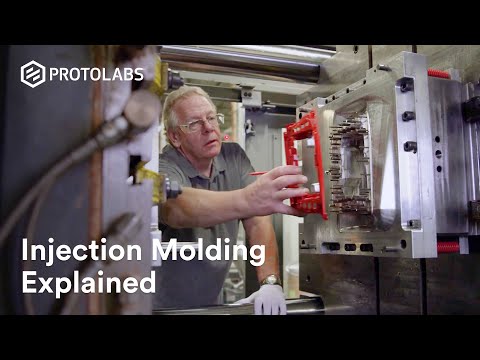
This public process overview from Protolabs is a useful reference for the trial sequence described above. Source: Protolabs on YouTube. It is an external industry video, not footage of a Popper tool.