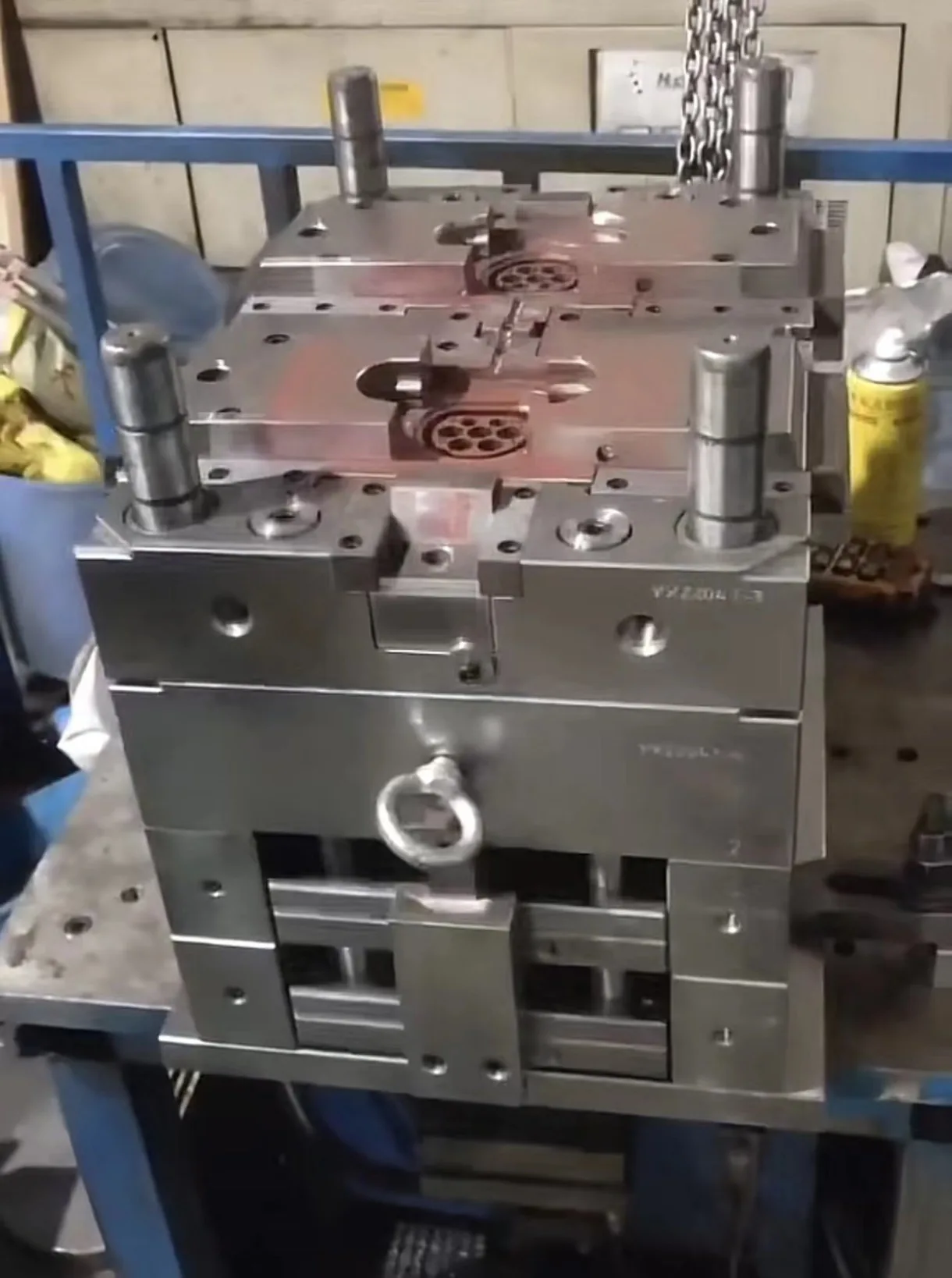
Cold runner in plain terms
A cold runner is a channel cut into the mold that fills with plastic and cools with the part. It is ejected with the shot and either discarded or reground. The mold is simpler, cheaper and easier to maintain.
The trade-off is waste. Every shot produces a sprue and runners, and that material is paid for whether it is reused or thrown away. For short runs or expensive resin, the waste matters.
Hot runner in plain terms
A hot runner keeps the plastic in the channels molten with heaters, so only the part is ejected. There is little or no runner waste, and gates can be placed where a cold runner cannot reach.
The system adds cost and complexity. Heaters, controllers and manifolds need care, and a change of color or material can take time to purge. Maintenance is more specialized.
Cost and break-even
A hot runner mold costs more at the start. It starts to pay back when resin savings and shorter cycles add up. The higher the annual volume and the more expensive the resin, the sooner that happens.
For a low-volume project or a part that may change soon, a cold runner is usually the sensible choice. You spend less now and accept a little more scrap.
| Factor | Cold runner | Hot runner |
|---|---|---|
| Tool price | Lower | Higher |
| Runner scrap | Every shot | Very little |
| Color changes | Quick | Longer purge |
| Maintenance | Simple | Heaters and controllers |
Which parts favor which system
Large parts and single-cavity tools often work well with a cold runner. Multi-cavity tools, tight gate placement and high-volume packaging parts often justify a hot runner.
Resin type matters too. Some materials are sensitive to time spent in a heated manifold and need careful temperature control. Talk through the material before deciding.
A simple way to decide
Do the arithmetic on scrap
Take the runner weight, the resin price and the number of shots over the life of the tool. That figure is the real budget for a hot runner. If it is smaller than the premium, a cold runner is the cheaper system.
Write down annual volume, resin price per kilo and expected tool life. If the runner scrap costs more than the hot runner premium, the hot runner wins. If not, keep it simple.
If you are unsure, ask us to model both options.
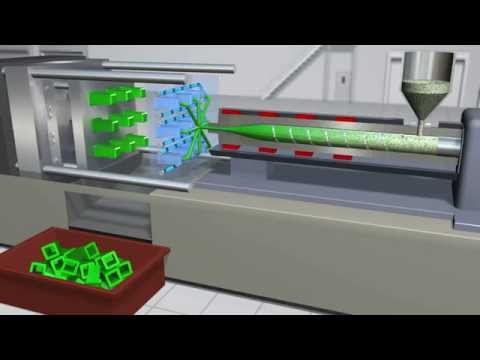
Watch the process
Questions about your own part? Send us the drawing for a quote.
Read about mold types we build →